
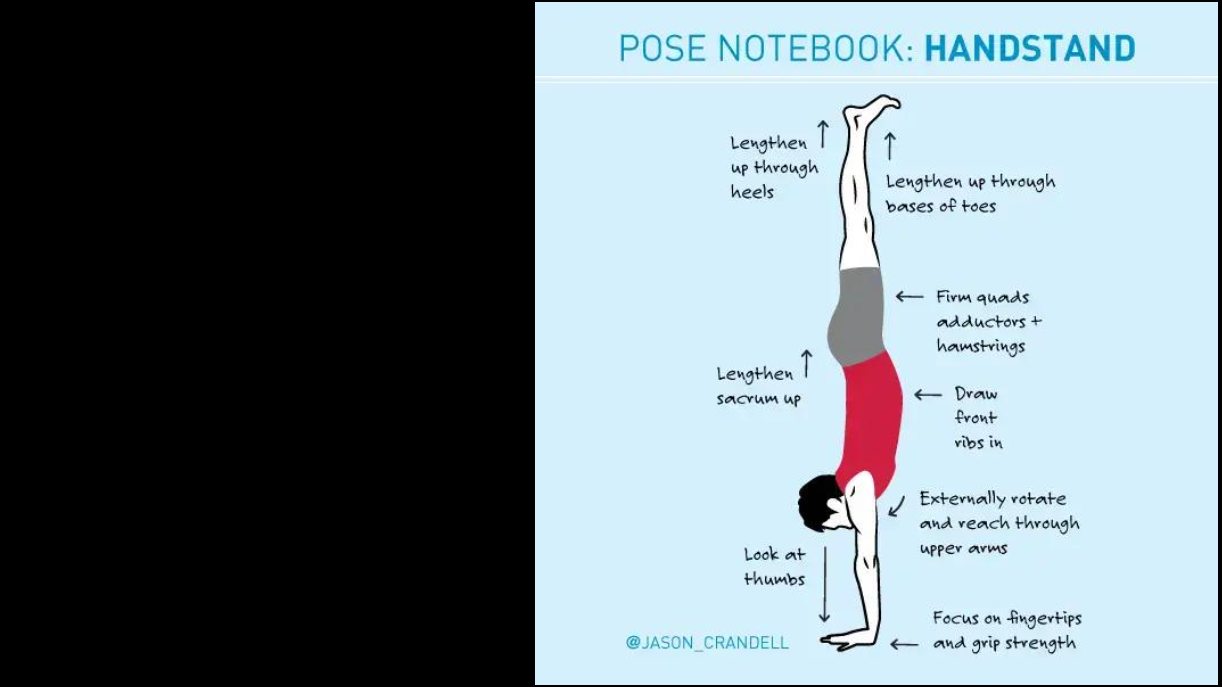
A handstand is a body position where a person balances upside down on their hands, with their arms straight and their body extended vertically above them.
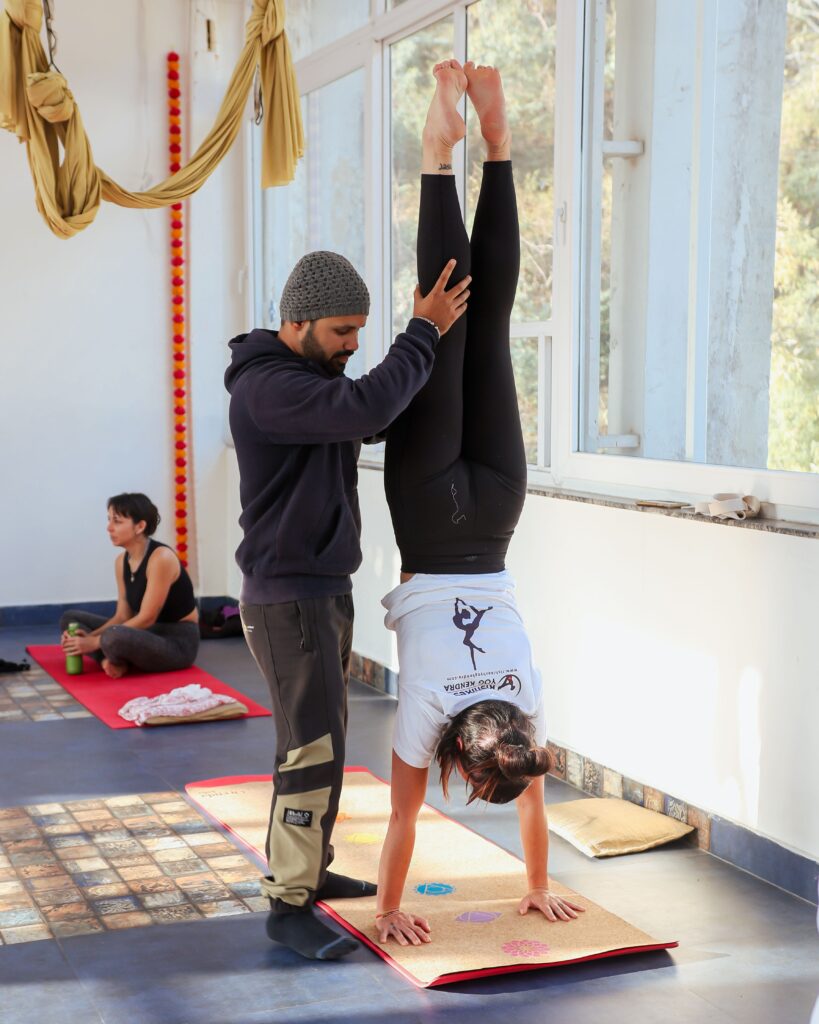
A handstand is an advanced bodyweight skill where you balance your entire body upside down on your hands. It is one of the most popular skills in gymnastics, calisthenics, yoga, and street workout training.
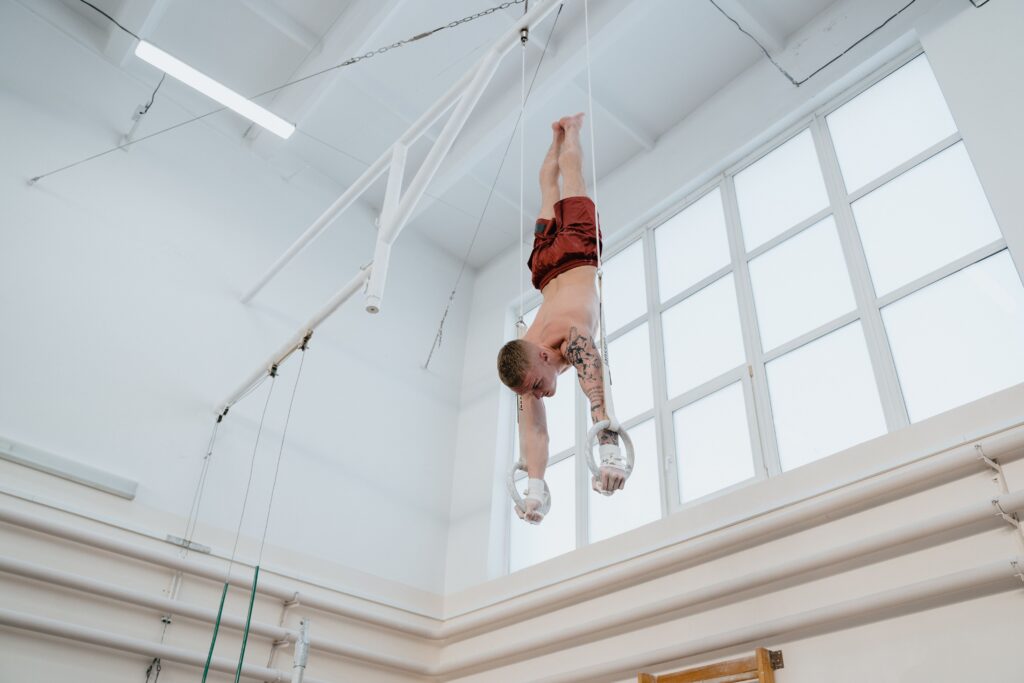
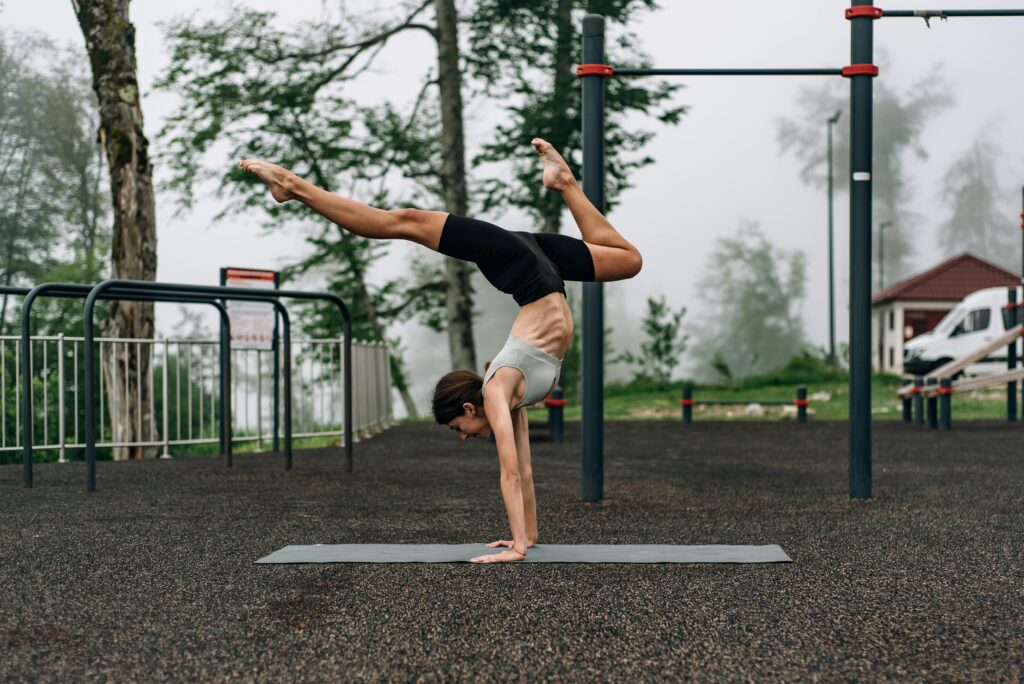
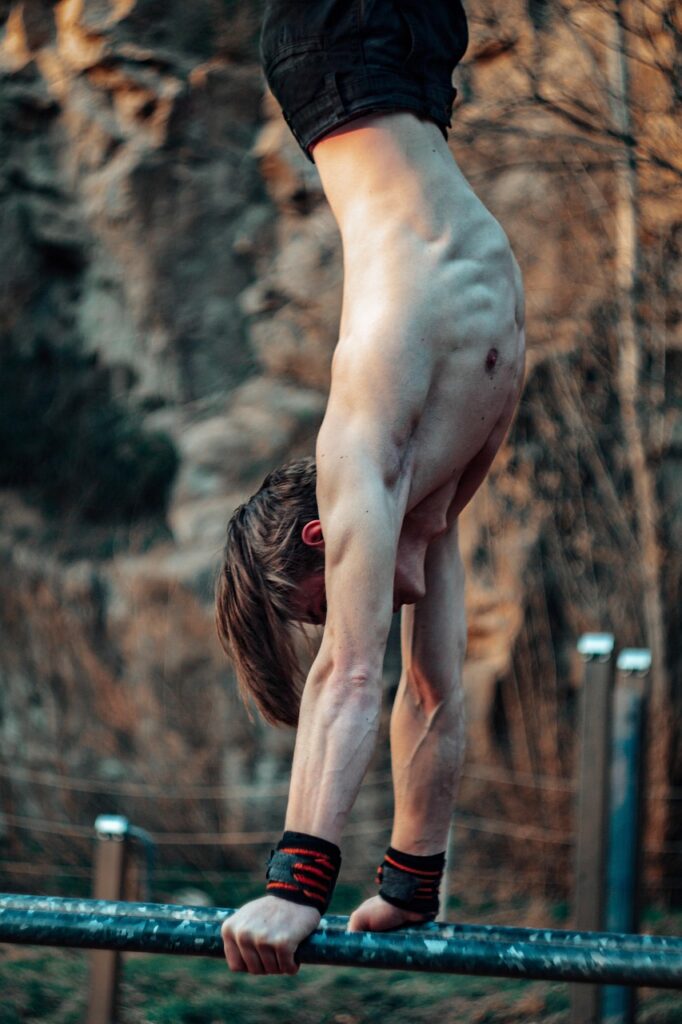
What muscles does it train?
Shoulders
Arms and wrists
Core muscles
Upper chest
Back stabilizers
IMPROVES-:
Balance
Body control
Coordination
Focus and confidence
Types of handstands
Wall Handstand
Beginner version using a wall for support.
Freestanding Handstand
Balancing without support.
One-Arm Handstand
Advanced variation done on one hand.
Handstand Push-Up
Combines balancing with pressing strength.
How long does it take?
FreestMost beginners can learn a basic wall handstand in a few weeks. A solid freestanding handstand usually takes a few months of regular practice depending on strength, mobility, and consistency.
Benefits of learning handstands
Beginner Weekly Routine
Day 1
- Wrist warm-up
- Wall holds
- Kick-up practice
Day 2
- Shoulder strength
- Core training
- Balance drills
Day 3
- Freestanding attempts
- Mobility work
Repeat with rest when needed.
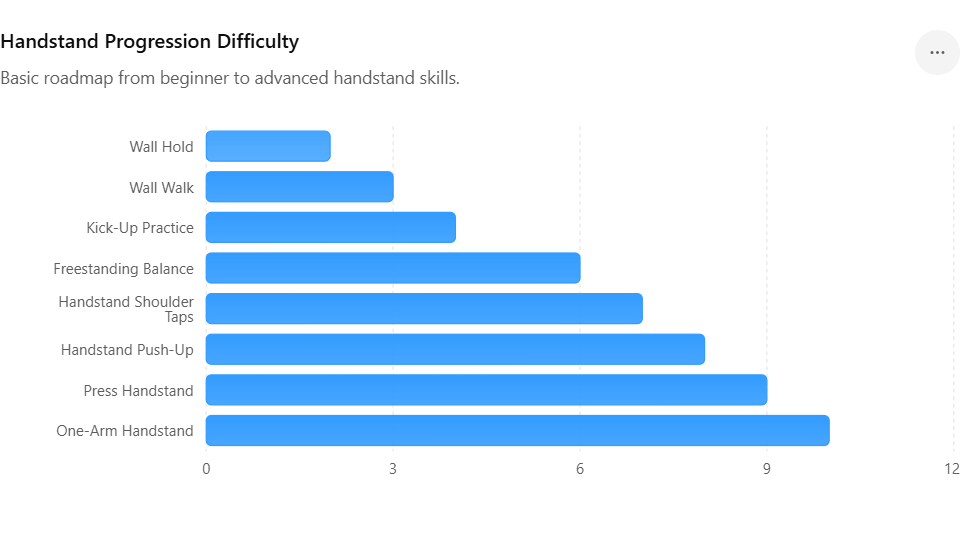
Handstand Progression Chart
Handstand Timeline
| Goal | Average Time |
|---|---|
| Wall handstand | 1–3 weeks |
| 10-second hold | 2–4 months |
| Clean freestanding handstand | 6–12 months |
| One-arm handstand | 1–3 years |
Handstand Training Disclaimer
Practice the handstand at your own risk. Handstands require balance, strength, mobility, and body control. Improper practice may lead to injuries involving the wrists, shoulders, neck, back, or head.
Before training:
- Warm up properly
- Use a safe and open space
- Practice near a wall if you are a beginner
- Learn safe falling techniques
- Stop immediately if you feel pain or dizziness
Beginners should progress gradually and avoid attempting advanced variations without proper strength and supervision. If you have any medical conditions, previous injuries, or balance-related issues, consult a qualified healthcare or fitness professional before practicing handstands.
This content is for educational and informational purposes only and should not replace professional coaching or medical advice.